Sonkit Sealing Solutions
Aerospace
Aerospace
Metal seals Sealing solutions for extreme conditions
Aerospace

Metal seals are among the most critical components in aerospace engineering — often invisible to the casual observer, but essential to safety, reliability, and mission success. In environments where every ounce, degree, and psi matters, aerospace systems rely on metal sealing solutions that outperform conventional elastomer or polymer alternatives.

 Why Metal Seals Matter in Aerospace

Why metal seals

In these conditions, metal seals are often selected because elastomers and polymers struggle to sustain airtight performance. For a standards perspective on metal-seal interfaces in aerospace fluid systems, see SAE ARP618A.

Case Study 1: Sealing in Rocket Propulsion Systems

One of the most demanding environments for seals is in rocket propulsion. Aerospace manufacturers developing launch vehicles and spacecraft propulsion systems require sealing solutions that withstand rapid temperature cycling and extreme pressures without failing — even for long storage periods between launches.

Application Challenge:

  • Cryogenic propellant lines and gas generators experience wide thermal excursions, from deep cold to flame temperatures, while maintaining a leak rate that meets strict aerospace standards (see NASA-STD-7012A Leak Test Requirements).

Solution:

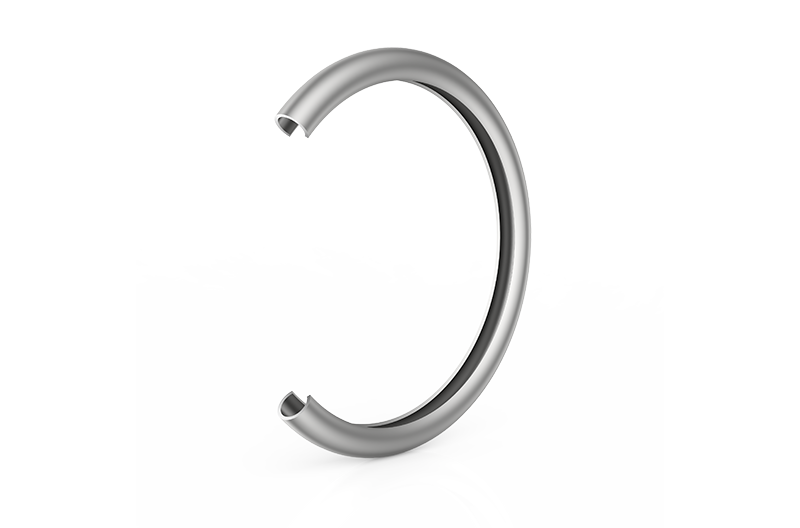
  • Metal seals such as Metal C-seals and spring-energized face seals fabricated from superalloys (e.g., INCONEL® or HASTELLOY®) provide dependable performance.
  • Their design ensures tight sealing under both internal and external pressures, with spring action maintaining contact even with thermal expansion and contraction. For cryogenic leak-rate context in mechanically connected joints, see NASA testing work such as ground-based cryogenic leak testing of fittings.

Result:

  • Consistent leak-free performance through hundreds of thermal cycles
  • Reduced maintenance and inspection intervals
  • Enhanced flight safety due to minimized risk of propellant leakage
Case Study 2: Aircraft Engine Fuel and Hydraulic Systems

For commercial and military aircraft alike, reliability is mandatory not just for flight, but also for economic and operational success.

Application Challenge:

Solution:

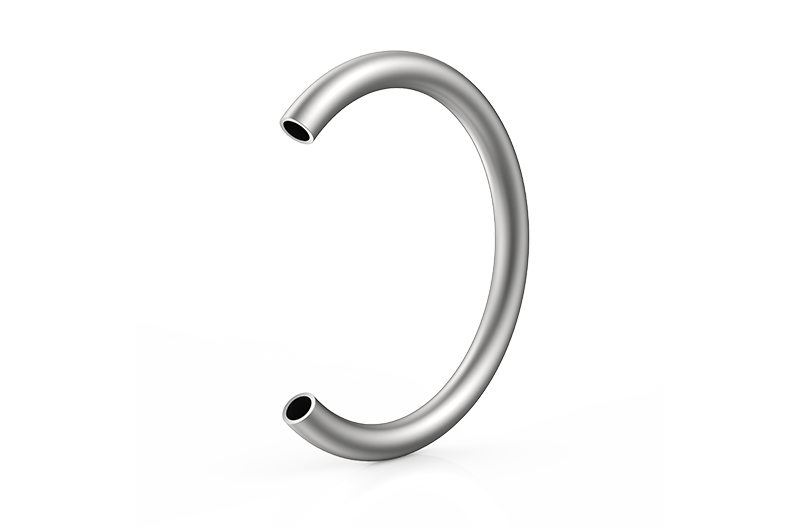
  • Precision-engineered metal sealing rings and boss seals are implemented for critical flange and valve interfaces. These metal seals resist degradation from fuels, lubricants, vibration, and pressure pulsations — conditions that can fatally compromise organic seals.
  • For boss-fitting metal-seal design and test requirements in aerospace fluid systems, see SAE ARP618A. For flammable-fluid leak hazard mitigation in l
We Are Trusted By
We are trusted by these companies within the Aerospace industry
To see our other customers in all industries, click below

Sealing Solutions In The Aerospace Industry


Key Takeaways: Metal Seals Drive Aerospace Performance

In spacecraft, aerospace engineers must guarantee a hermetic environment for both human safety and equipment reliability.

Application Challenge:

  • Spacecraft cabins and experimental modules must maintain a controlled internal pressure under near-vacuum outside conditions. Even minute leaks can lead to mission failure. (Spaceflight leak-rate verification is commonly governed by program leak test requirements such as NASA-STD-7012A.)

Solution:

  • All-metal sealing components are employed in pressure vessel interfaces, airlocks, and sensor housings. These metal seals excel where traditional gaskets would outgas, degrade, or fail under thermal cycling.
  • For vacuum contamination control, outgassing screening is commonly performed using ASTM E595 (TML/CVCM), and spacecraft material selection often references datasets such as NASA GSFC’s Spacecraft Material Outgassing Data.
  • Where high and ultrahigh vacuum performance is required, all-metal sealing approaches are commonly used to support extremely low pressures and stringent leak-tightness targets.

Result:

  • Stable sealed environments over entire mission durations
  • Enhanced structural integrity in thermal stress transitions
  • Compatibility with ultra-high vacuum requirements (see vacuum seal design criteria and UHV applicability guidance in NASA Lessons Learned)
Our Commitment to Quality and Excellence

As a leading metal ring seal manufacturer, Sonkit prioritizes quality and adheres to stringent standards, demonstrated by the following:

  • ISO 9001:2015 Certification:

We strictly implement the ISO 9001:2015 quality management system, ensuring full control and traceability of all Sonkit metal seals.

  • AS9100 D & NADCAP Certifications:

Our quality system aligns with aerospace requirements under AS9100 D, and our special process controls follow NADCAP expectations, supporting consistent, audit-ready manufacturing for critical applications.

  • State-of-the-Art Facilities:

Our Shanghai factory features a high-standard office and production environment with advanced digital and intelligent processing and inspection equipment, providing a leading edge in manufacturing and quality control.

  • GE SRG Audit Approval:

Passing the GE SRG audit in 2023 underscores our commitment to quality assurance and industry best practices.

  • Premium Materials:

We use high-quality alloys such as Alloy 718, Waspaloy, and stainless steel for superior seal durability and performance.

  • Stringent Quality Control:

Our in-house test labs, equipped with advanced testing equipment, guarantee the highest quality standards through rigorous testing, including vacuum and helium leak tests.

  • Collaborative Partnerships:

We work closely with renowned universities and research institutes and have extensive experience collaborating with top 500 enterprises, further enhancing our quality and innovation.

Conclusion

Metal seals play a vital role in advancing aerospace engineering by safeguarding system integrity across launch vehicles, aircraft, and spacecraft. Their ability to withstand extreme temperatures, pressure differentials, vibration, and vacuum conditions makes them indispensable in propulsion, fuel and hydraulic systems, and critical interfaces where elastomeric seals may outgas, degrade, or lose sealing force. As the industry continues to push the boundaries of aerospace performance, the development of advanced metal sealing solutions will remain crucial in ensuring safety, reliability, and mission readiness for next-generation aerospace platforms.


For more information about Sonkit's metal ring seals and their aerospace applications, please visit  www.sonkitsealing.com  or contact us at johnny@sonkit.cn


Copyright © Sonkit Industry. All Rights Reserved Export Company